The invisible molecule that keeps us on the road
Imagine a long journey on a hot August day. The tarmac easily exceeds 50 degrees. The car accelerates, brakes, and takes bends. It all seems simple. But between the weight of the vehicle and the road surface, there are just four small points of contact – four tyres. And within them lies a chemical story that begins long before a single kilometre has been travelled.
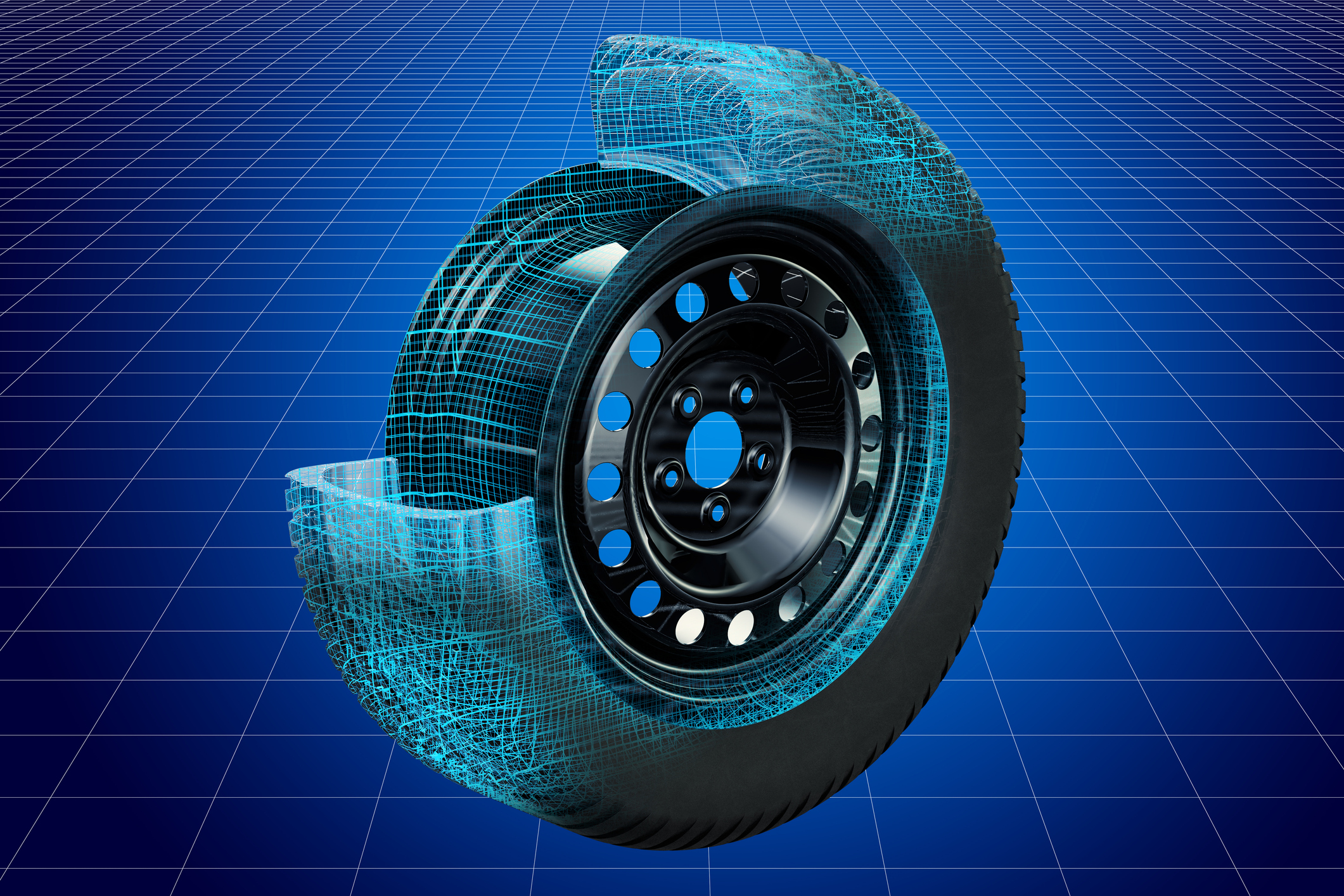
A modern tyre must meet seemingly contradictory requirements. It needs to be flexible to absorb the unevenness of the road surface, yet strong enough to support tonnes of weight. It must grip the tarmac, yet also resist the wear caused by constant friction.
During its service life, a tyre is compressed, deformed and heated thousands of times per minute. Every kilometre travelled represents a test of the material’s strength, and this capability is no accident; it is designed at the molecular level.
The chemical industry allows properties such as elasticity, wear resistance, thermal stability and durability to be adjusted. And it is in this process that aniline comes into play.
.JPG)
The molecule that starts the story
Also known as aminobenzene or phenylamine, aniline is an organic compound belonging to the primary amine family, with the formula C6H5NH2. In its pure state, it is a colourless, oily liquid, produced industrially by the hydrogenation of nitrobenzene. It may seem far removed from our daily lives, but it is from this substance that a chemical chain begins, which is at the origin of many materials we use every day.
The history of aniline dates back to the 19th century and is closely tied to a well-known blue dye: indigo. It was whilst studying compounds derived from this plant dye that, in 1826, the German chemist Otto Unverdorben first identified this substance. In the following years, other researchers realised that different substances obtained in similar experiments corresponded, after all, to the same molecule. It was then that it became known as aniline, a name derived from ‘anil’, a traditional term associated with indigo.
What began by arousing interest in the world of dyes quickly revealed much greater potential. With the development of the chemical industry, aniline became a raw material for producing many other essential substances across various industrial sectors.
From aniline to the materials we use every day
One of the most important transformations of aniline is its conversion into a substance called MDI (Methylene Diphenyl Diisocyanate), a key component in the production of polyurethanes, a family of materials with countless applications.
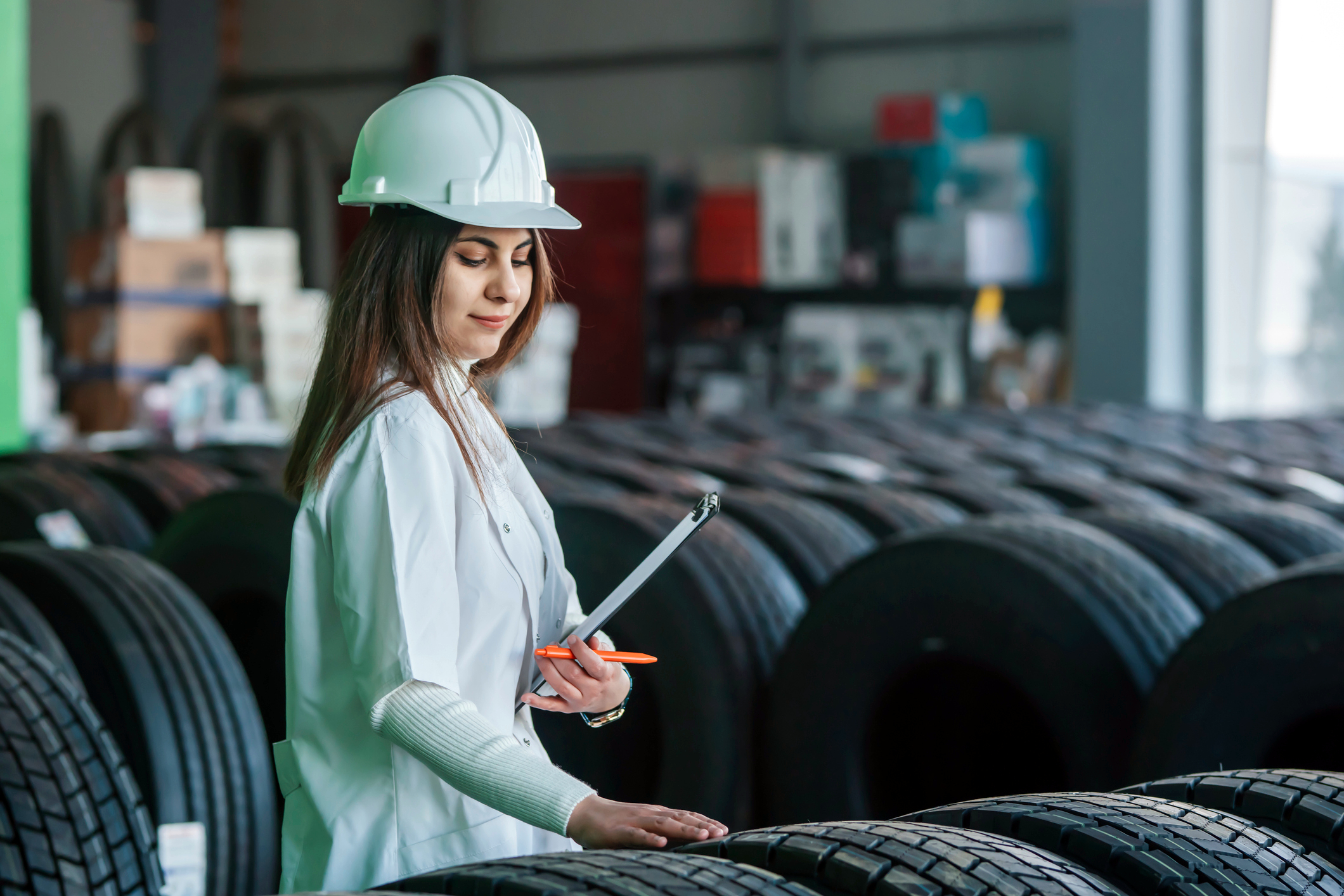
Polyurethanes are used, for example, to manufacture mattress foams and insulation materials for buildings and refrigeration equipment. It is also within this supply chain that materials and components used in various parts of the automotive industry emerge, including steering wheels and applications linked to tyre production.
In other words, when we talk about tyres, we are already several stages down the line from aniline. But without it, this entire industrial process would not begin.
In Portugal, this chemical sector has a key player: Bondalti. The company is the leading seller of aniline in Europe and one of the world’s largest non-integrated producers of this substance, manufactured using its own technology and internationally recognised for its quality. From its industrial plant, which accounts for around 3% of the world’s installed aniline production capacity, the compound moves on to various industrial chains, where it will give rise to components and materials used in countless everyday products, including those that contribute to the strength and durability of tyres.

When chemistry hits the road
There are several industrial stages between the molecule produced in a chemical plant and the tyre rolling on the tarmac. But they are all part of the same chain of knowledge and innovation.
When we think about vehicle safety, we rarely consider the role of chemistry. However, tyres are the only point of contact between the car and the road. The reliability of those few centimetres of rubber depends, to a large extent, on materials developed from complex chemical chains, which begin long before any journey.
Modern tyres use different types of synthetic rubber, with strange names such as styrene-butadiene rubber or polybutadiene, developed to optimise grip and wear resistance. These formulations rely on a chemical industry capable of supplying intermediates and raw materials with strictly controlled properties.
Aniline’s contribution is indirect but fundamental. By enabling the production of MDI and, subsequently, of polymeric materials used in the manufacturing process, it facilitates solutions that enhance stability, mechanical strength and longevity.
Next time your car brakes in time on a wet road, think about the science behind that seemingly mundane action. Long before the rain, the tarmac and the braking, there was a molecule transformed to enhance your safety on the road.