The chemistry that brings metals to life
Long before a beam supports a building, a bridge carries its first car, or a wind turbine begins to turn, chemistry has already determined much of their performance. It is present in the transformation of ore into metal, in the composition of alloys, in treatments that modify their structure, in the preparation of surfaces, and in solutions that delay degradation.
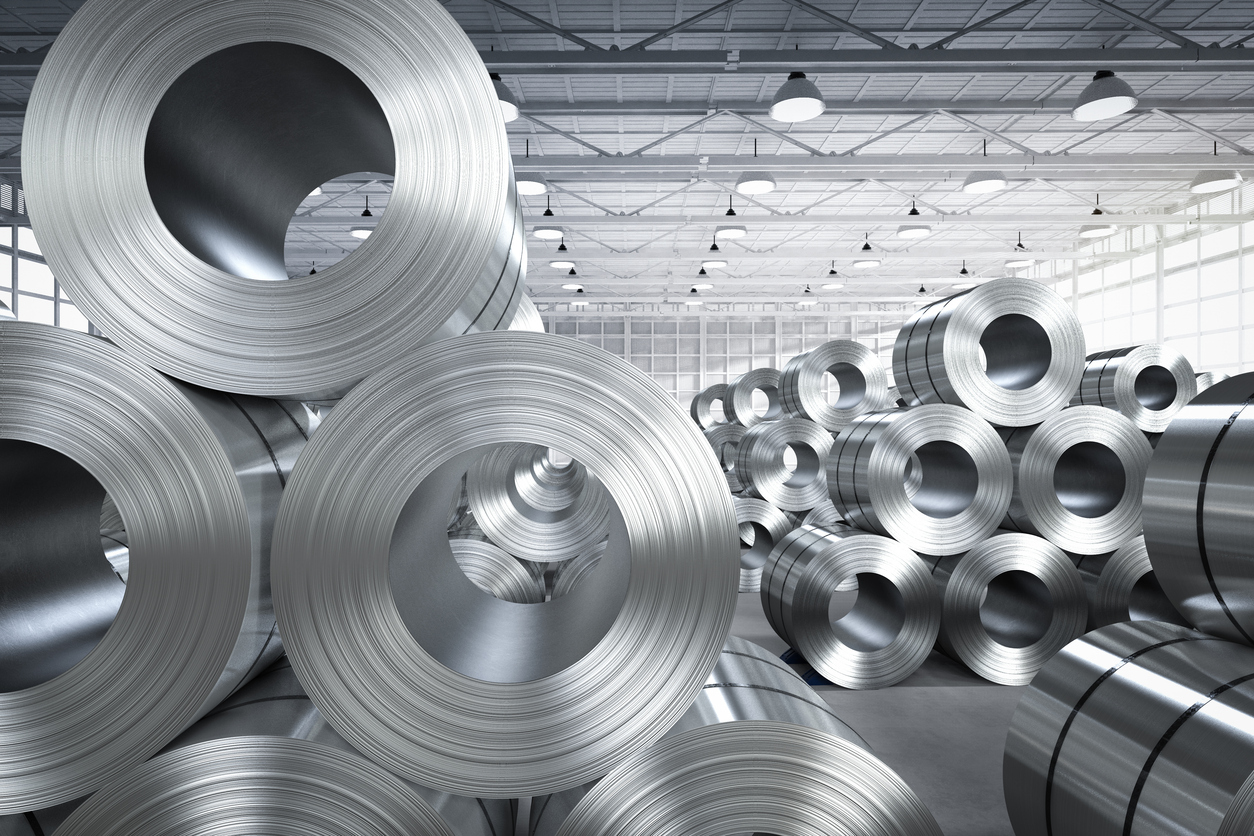
Among the many metals and alloys used by the metallurgical industry, steel stands out as the most widely used material in buildings, bridges, industrial equipment and major public works. In 2025, around 1.9 billion tonnes of steel were produced worldwide, according to the World Steel Association. It is, therefore, a good example for understanding how chemistry influences the performance of metallic materials.
But before steel can be produced, iron must first be obtained. As this metal is usually found combined with other elements in the rocks from which it is extracted, its production involves chemical reactions that separate it from these substances.
Steel is produced from this iron. However, ‘steel’ does not refer to a single substance.
It is an alloy consisting mainly of iron and less than 2% carbon, to which other elements may be added in strictly controlled proportions.
It is this chemical composition that determines the material’s properties. Small variations in the quantity or type of elements present alter how atoms organise themselves and interact, modifying characteristics such as hardness, mechanical strength, or corrosion resistance.
Therefore, depending on the intended application (for example, railway tracks, tools, buildings, bridges or industrial equipment), different elements are added. For example, carbon increases hardness and strength; chromium improves corrosion resistance; nickel contributes to toughness; and molybdenum enhances performance in harsh environments or at high temperatures.
A surface ready for protection
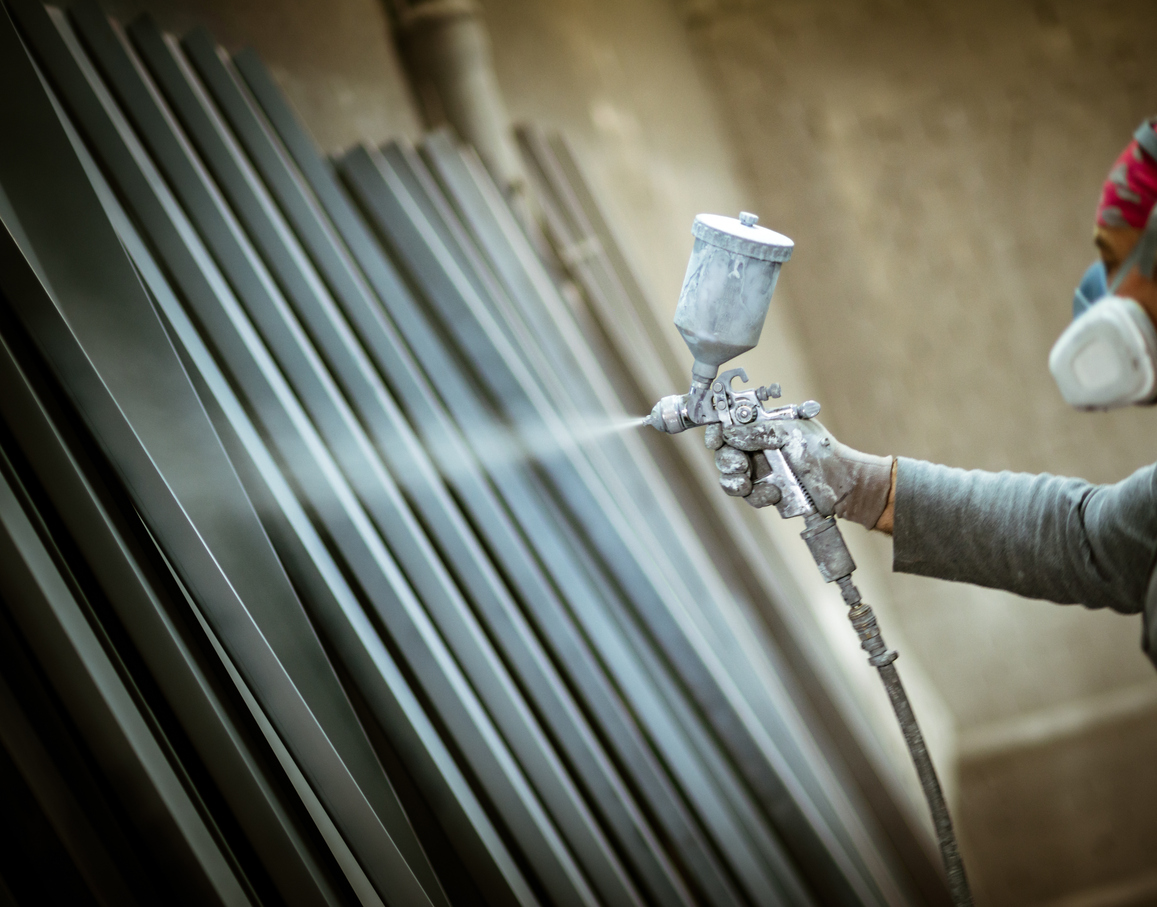
Chemistry comes into play once again before painting, galvanising or the application of other coatings – stages at which the metal surface must be completely clean. During manufacture, oxides and other residues form, which hinder the adhesion of subsequent treatments.
One of the most widely used techniques for removing these impurities is acid pickling. In the steel industry, this process frequently uses hydrochloric acid, one of the products manufactured by Bondalti in Portugal. The compound reacts with iron oxides, converting them into soluble salts that can be removed, leaving the surface ready for the next stage.
The process requires control of concentration, temperature and contact time. Insufficient pickling leaves oxides on the surface; excessive exposure can attack the base metal. The acid does not, therefore, function as a simple cleaning agent: it forms part of a carefully calibrated chemical operation, which is crucial to the quality of the coating applied subsequently.

Controlling reactions that never stop
Once in service, the metal continues to react with its environment. And when it comes into contact with water, oxygen or salts present in the environment, chemical and electrochemical reactions can occur that cause it to degrade. It is this phenomenon that we know as corrosion.
Although it is a natural process, its economic impact is far from negligible.
According to the most comprehensive study carried out on this subject – which still serves as a benchmark today – known as IMPACT and commissioned by NACE International (now part of the Association for Materials Protection and Performance – AMPP), corrosion represents an estimated global cost of 2.5 trillion dollars per year, a figure which, in the year the data was collected (2013), corresponded to 3.4% of global GDP.
Here too, the solution lies in chemistry. One strategy for preventing corrosion is to stop the metal coming into contact with water and oxygen, using paints or other protective coatings.
In other cases, the very composition of the material provides this protection. In stainless steel, for example, chromium forms an extremely thin film on the surface, which hinders the progression of corrosion.
Galvanisation works on a different principle: the steel is coated with zinc, a metal that reacts more readily with the environment and thus protects the iron present in the steel, even when the coating suffers minor damage.
In some structures, such as buried pipelines or offshore platforms, cathodic protection is also used; this is a system in which another metal is allowed to corrode, thereby preserving the main structure.
All these solutions are based on the same principle: understanding how materials react to their surroundings and using that knowledge to control the reactions.
From the composition of an alloy to the final protective layer, the durability of metal structures depends on a series of chemical decisions that prepare them to withstand the test of time, the environment and the demands of use. When we cross a bridge or enter a building, we rely not only on the strength of the metal, but also on the science that made it possible.